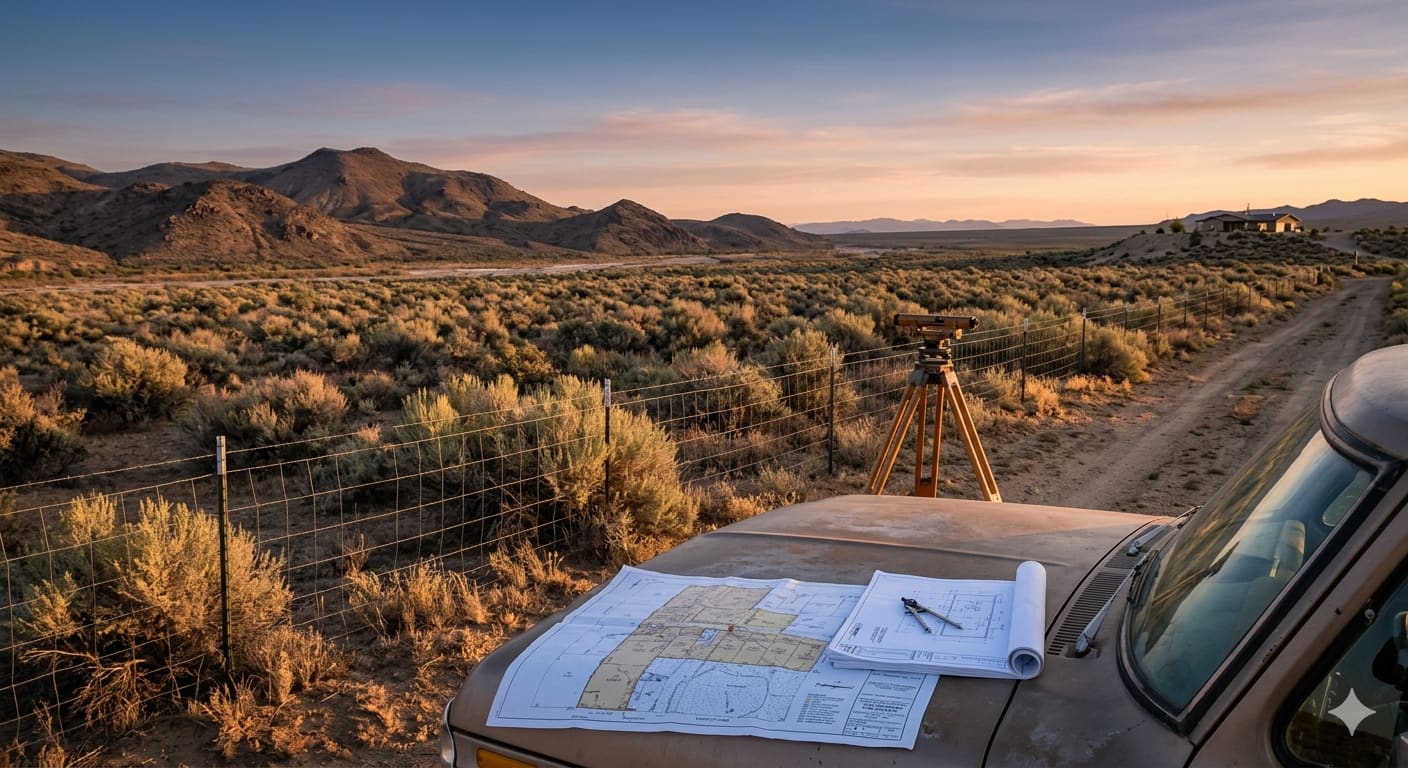
There is something incredibly powerful about standing on a piece of raw High Desert land. Out in Oro Grande, when the wind settles and you’re looking across the brush toward the Mojave Riverbed, you can feel the potential. You aren't just looking at dirt; you're looking at a blank canvas where you can build a life on your own terms—whether that means building a custom ranch home, for a modern manufactured build, or just finding the perfect Oro Grande property for a modern manufracted build, or just finding a place where your horses have room to run."
But buying raw land or placing a manufactured home in an unincorporated area like Oro Grande isn't quite like buying a standard home in a Victorville subdivision. It requires a bit of detective work, a shift in mindset, and a solid understanding of local rules.
Let's break down exactly what it takes to turn a piece of Oro Grande desert into your personal homestead, without the stressful surprises.
San Bernardino County "Rural Living" (RL) Zoning—In Plain English
Most of the residential land you’ll look at in Oro Grande falls under the county's Rural Living (RL) designation. If you are tired of strict city codes and nosy HOAs, RL zoning is going to feel like a breath of fresh air. It is designed to preserve a quiet, independent lifestyle while giving you real property rights.
Here is what RL zoning means for you by right:
Manufactured Homes are Welcome: Under county rules, you can absolutely use a manufactured home as your primary single-family residence, provided it's permanently affixed to a proper foundation.
The Animal Rules: Want chickens, dogs, or horses? RL zoning is a working partner for animal lovers. If your parcel is 20,000 square feet or larger (with at least 60 feet of street frontage), you can legally keep horses. For smaller livestock like chickens, the count scales up with your acreage—giving you plenty of room to build a coop and enjoy fresh eggs every morning.
Space to Breathe: Because it’s rural living, the county enforces generous setbacks (the distance your home must sit from the property lines). It keeps the neighborhood feeling wide open, ensuring your neighbor’s window isn’t looking directly into yours.
The Practical Realities: Utilities, Water, and Fencing
When you buy a tract home, you are renting your utilities from the city. When you buy raw land, you are essentially investing in your own private utility infrastructure. It demands a bit more hands-on responsibility, but it gives you true self-sufficiency.
The Water Wildcard (CSA 42 vs. Wells)
Water is gold in the High Desert. Part of Oro Grande is served by County Service Area 42 (CSA 42), a localized public water district that draws from wells along the Mojave River. If the lot you’re looking at is near existing lines, hooking up to CSA 42 is straightforward.
However, if you're looking at acreage further out, you will need to drill a private well. Because Oro Grande sits along the Mojave River basin, the water table can vary wildly. A parcel right near the riverbed might hit water relatively quickly, but it may also require specialized engineering to protect against seasonal floodways. A lot up on the ridges will require drilling deeper. Always check nearby well logs to estimate your depth and costs before finalizing a purchase.
Power and Septic
Don't assume because a power pole is visible down the road that hooking up is cheap. Southern California Edison charges by the linear foot to extend power lines. If the nearest pole is several hundred feet away, your utility budget can skyrocket quickly—which is why so many High Desert buyers are turning to solar power with backup battery systems to go completely off-grid. Additionally, Oro Grande does not have a public sewer system; you will need to factor in the cost of installing a private septic system.
Fencing and Boundaries
Out here, clear boundaries keep good neighbors. Because of the open terrain, wind, and local wildlife, investing in solid fencing is a priority—especially if you're keeping livestock. Keep in mind that San Bernardino County requires permits for certain fence heights and types, particularly if they obstruct sightlines near public dirt roads.
Pull the APN and Zoning Map:Check.Get the exact Assessor’s Parcel Number (APN). Check the county GIS maps to confirm it is fully RL (Rural Living) or RC (Resource Conservation) and verify no environmental or biological overlays (like desert tortoise protected zones) restrict building.
Verify Legal Access:Check.Ensure the property has deeded, legal access to a public or private road. Some desert parcels look accessible via a dirt trail, but that trail might technically cross private property without an easement.
Request a Will-Serve or Well Estimate:Check.Contact SBC Special Districts to see if the lot is within the CSA 42 water boundary. If it isn't, call a local High Desert well driller for a depth estimate based on neighboring parcel data.
Get a Septic Perk Test:Check.Hire a professional to conduct a soil "perk" test. The ground must be able to absorb water at a specific rate for a standard septic system to be approved. High clay or solid rock can require expensive alternative systems.
A Note on the High Desert Spirit: Buying land out here is an adventure. It requires a bit of grit, but the reward is a lifestyle of quiet mornings, incredible stargazing, and a level of freedom you just can't find in the city.
It requires a bit of grit, but the reward is a lifestyle of quiet mornings, incredible stargazing, and a level of freedom you just can't find in the city. If you're ready to find your piece of the desert, let's look at Oro Grande Land together and make it happen!
Recent Blog

Jess Ranch: Apple Valley’s Lakeside 55+ Community, Explained
Jess Ranch is one of those places in Apple Valley people talk about when they want a quieter, active-adult… Read More
Angie Flores / 09-11-2026
.png)
Desert-Smart Living: The Wildlife, Plants, and Climate Every High Desert Homeowner Should Know
Move to the High Desert and you inherit more than a house — you inherit a slice of the Mojave Desert, one of… Read More
Angie Flores / 09-11-2026

The Updated Home Appraisal Guide: Key Changes for Buyers and Sellers
The Basics: What’s Happening? Mortgage leaders Fannie Mae and Freddie Mac overhauled the home appraisal… Read More
Angie Flores / 09-02-2026